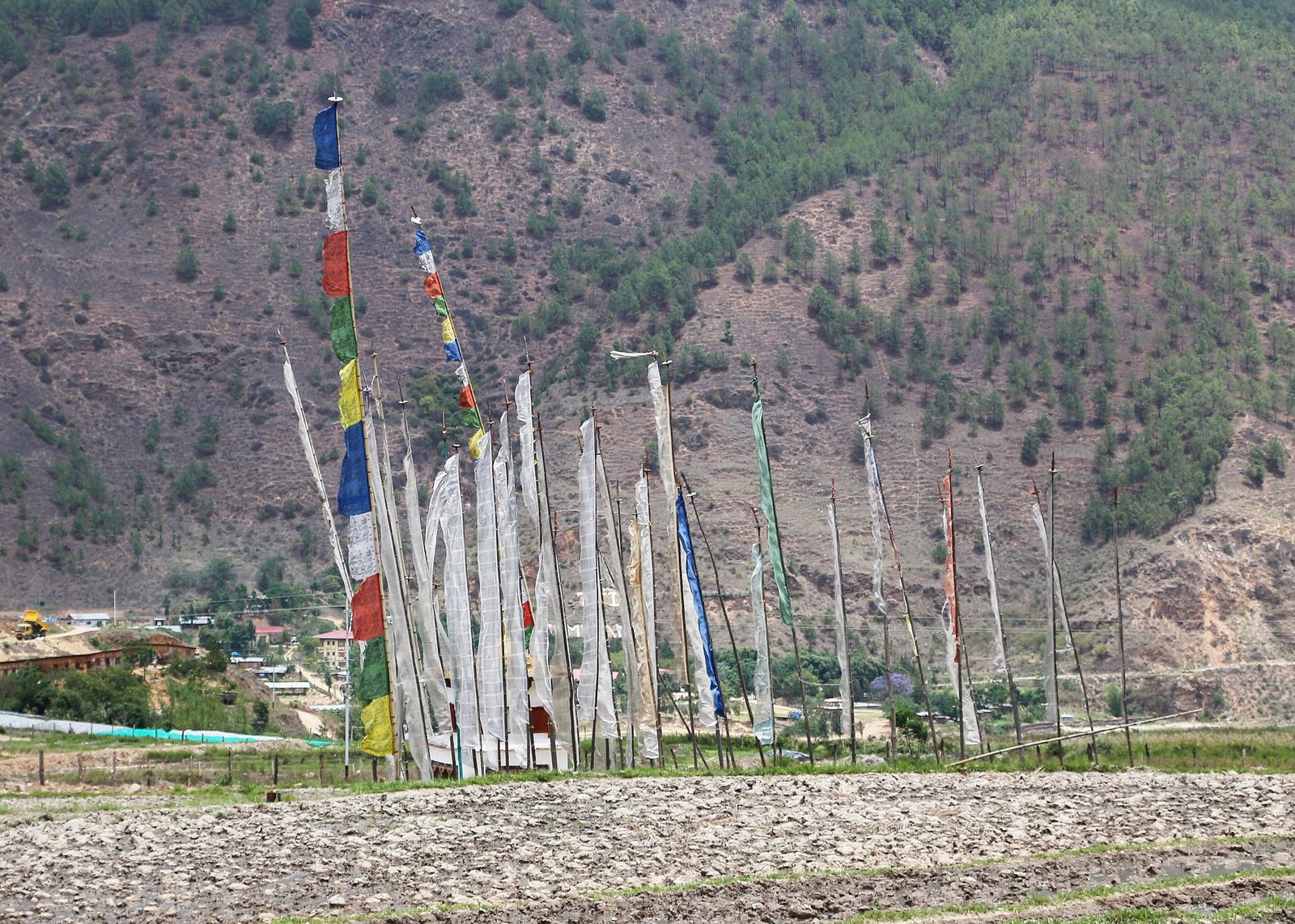
Bhutan

Bhutan

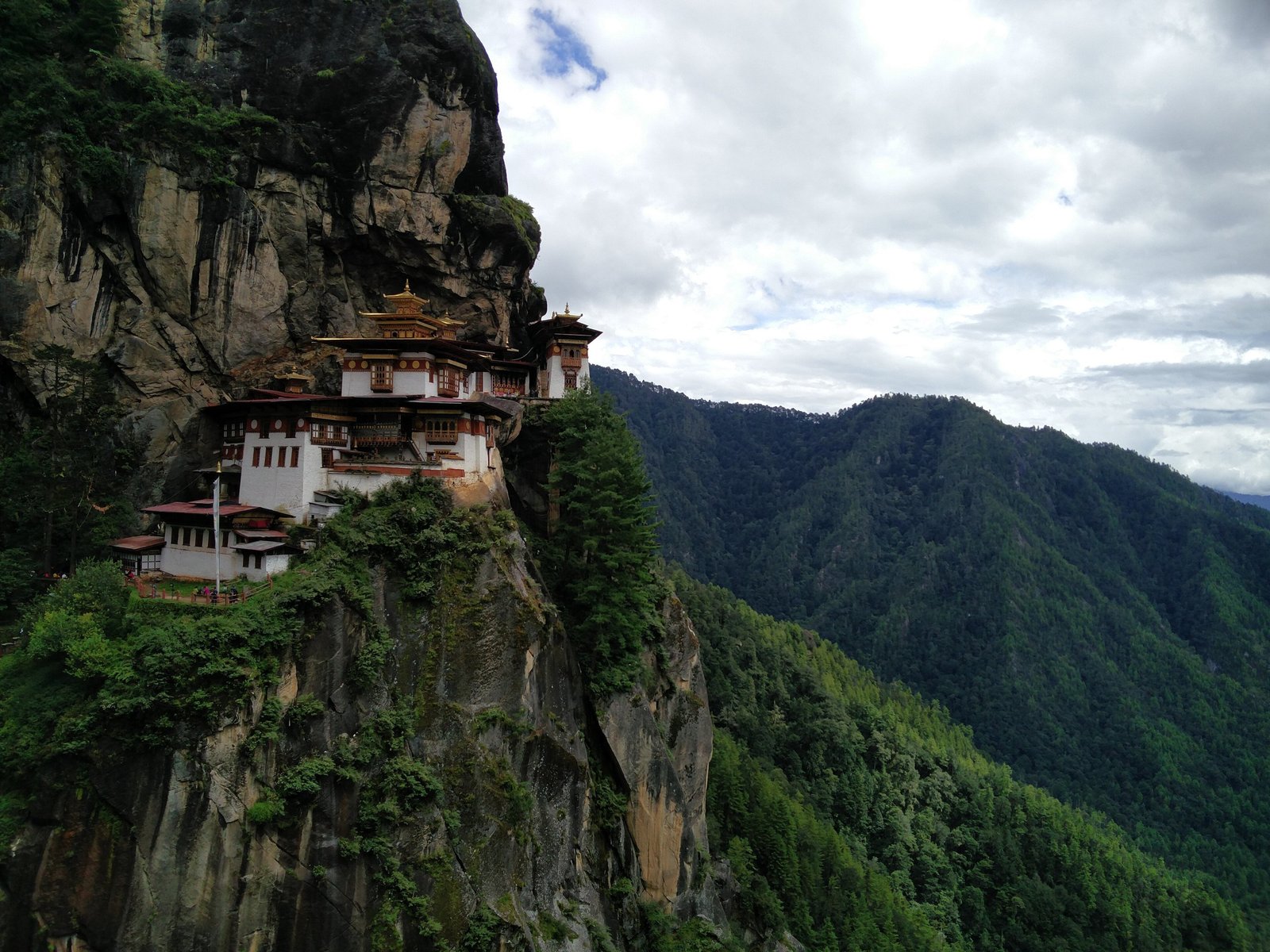
A country that limits its own tourism on purpose – dzongs, high valleys and the walk up to the Tiger’s Nest.
Typical duration
7-10 nights
Best time
March to May, and September to November
Pace
Balanced
Overview

Bhutan charges a daily Sustainable Development Fee and requires every visitor to travel with a licensed operator. The effect is a country that has stayed remarkably intact, and a trip that is worth planning properly.

Most itineraries run Paro to Thimphu to Punakha and back. We would add the Phobjikha valley, where the black-necked cranes winter and the nights are properly cold, and give you a day’s walking between villages rather than another dzong.
Highlights

What makes this one worth doing

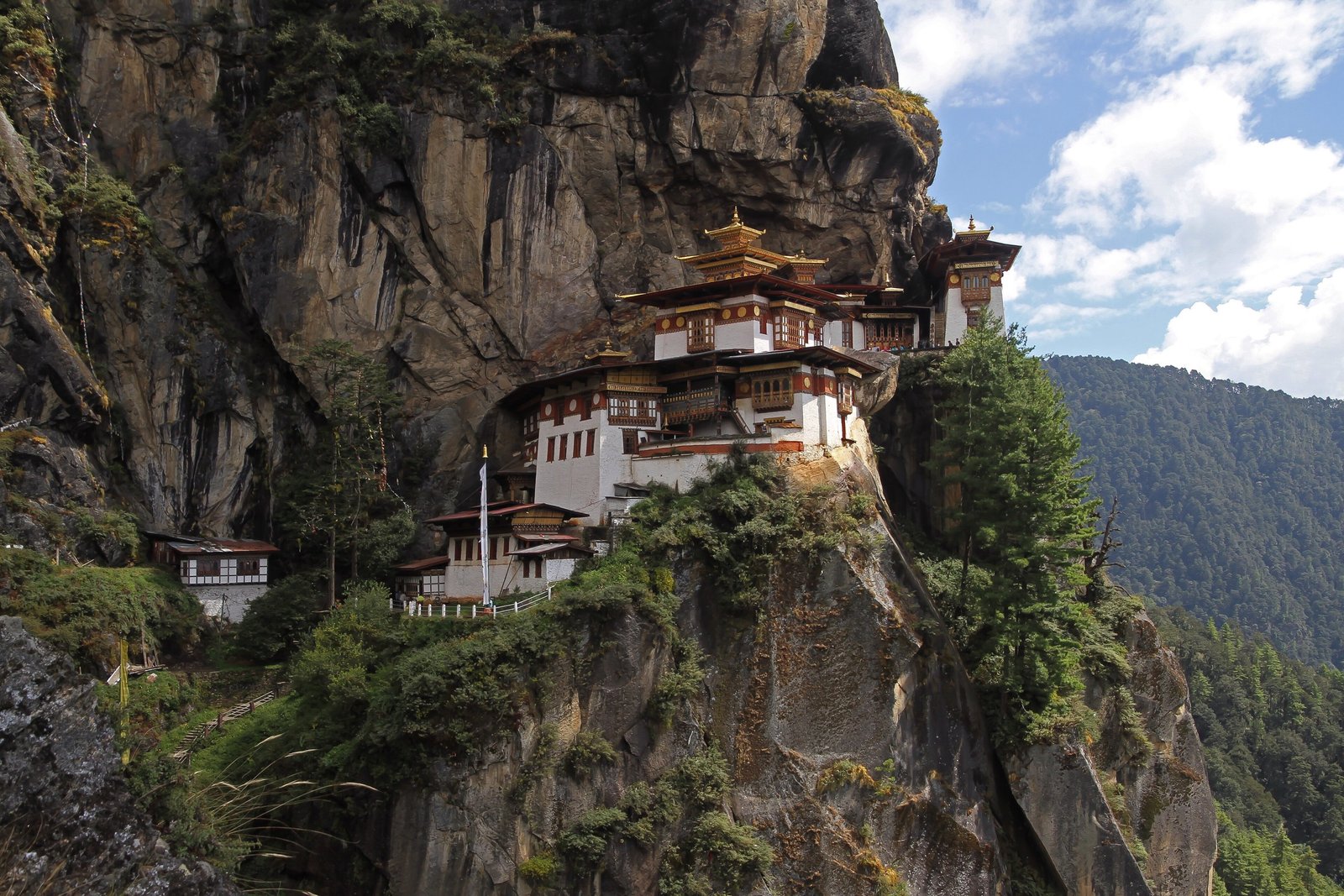
  • The climb to Paro Taktsang, the Tiger’s Nest, started early
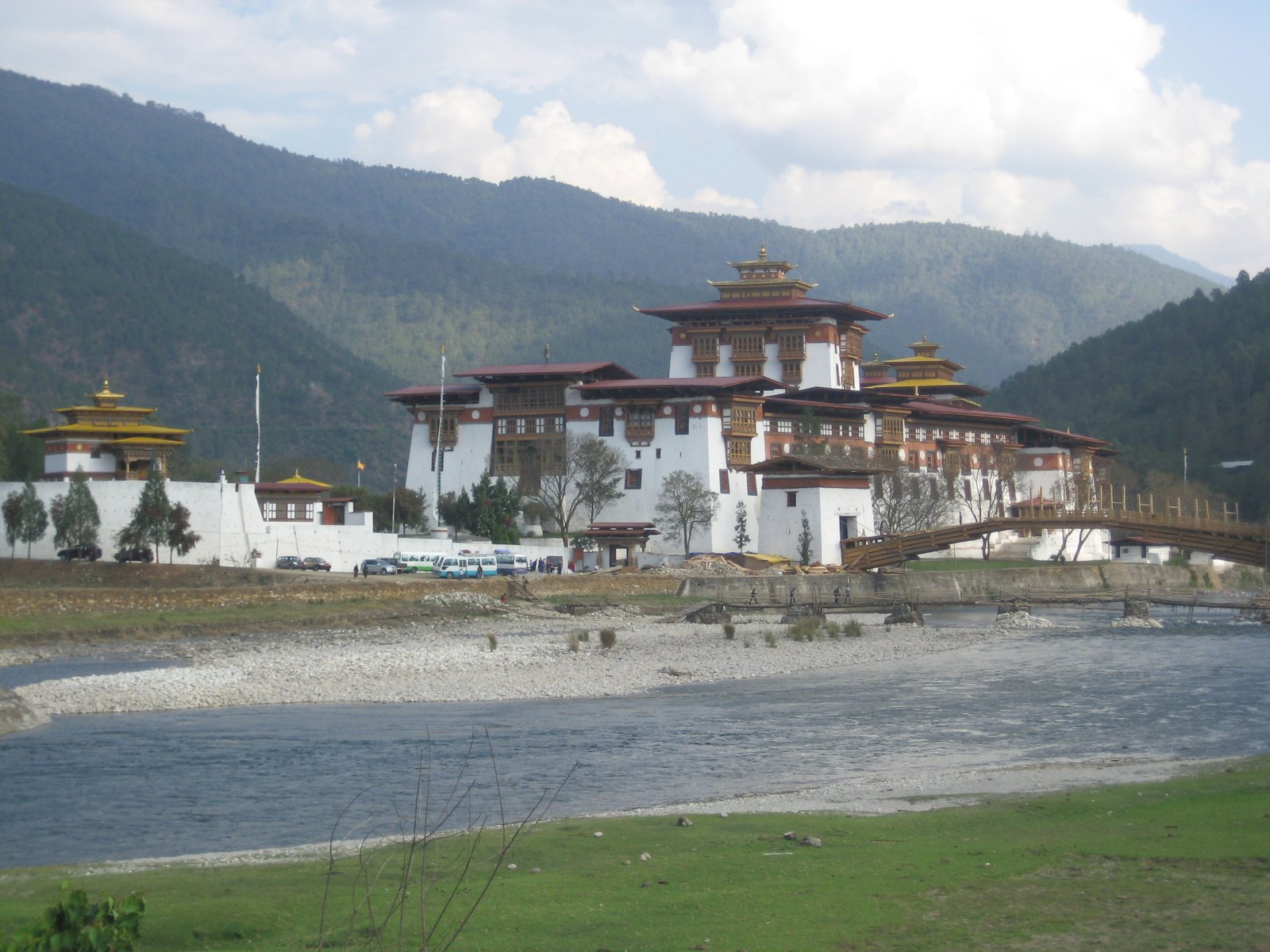
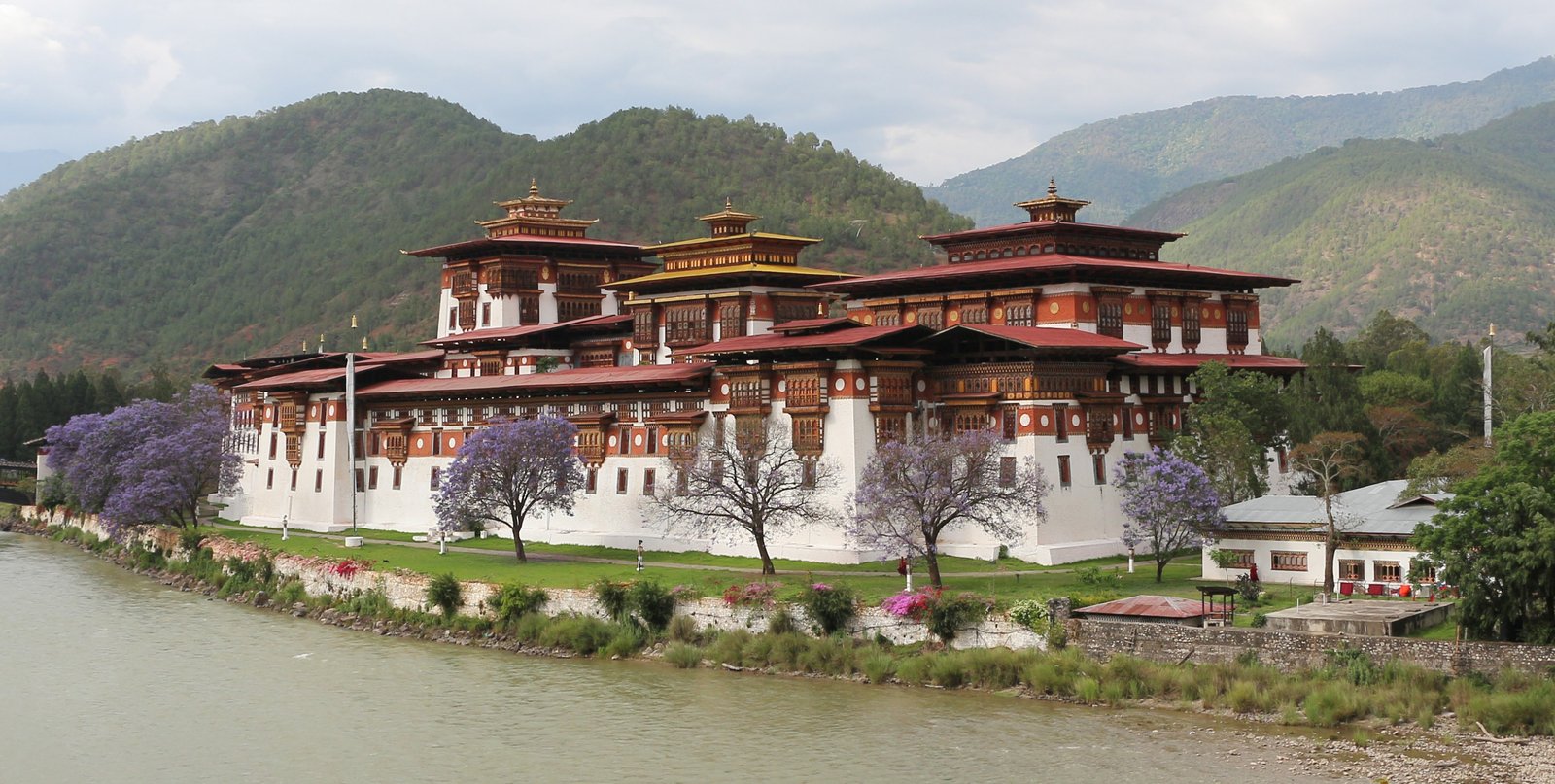
  • Punakha Dzong at the meeting of two rivers, best in jacaranda season
  • The Phobjikha valley and its cranes, if you travel in winter
  • A farmhouse lunch and a hot stone bath
  • Archery with a local club, which you will lose
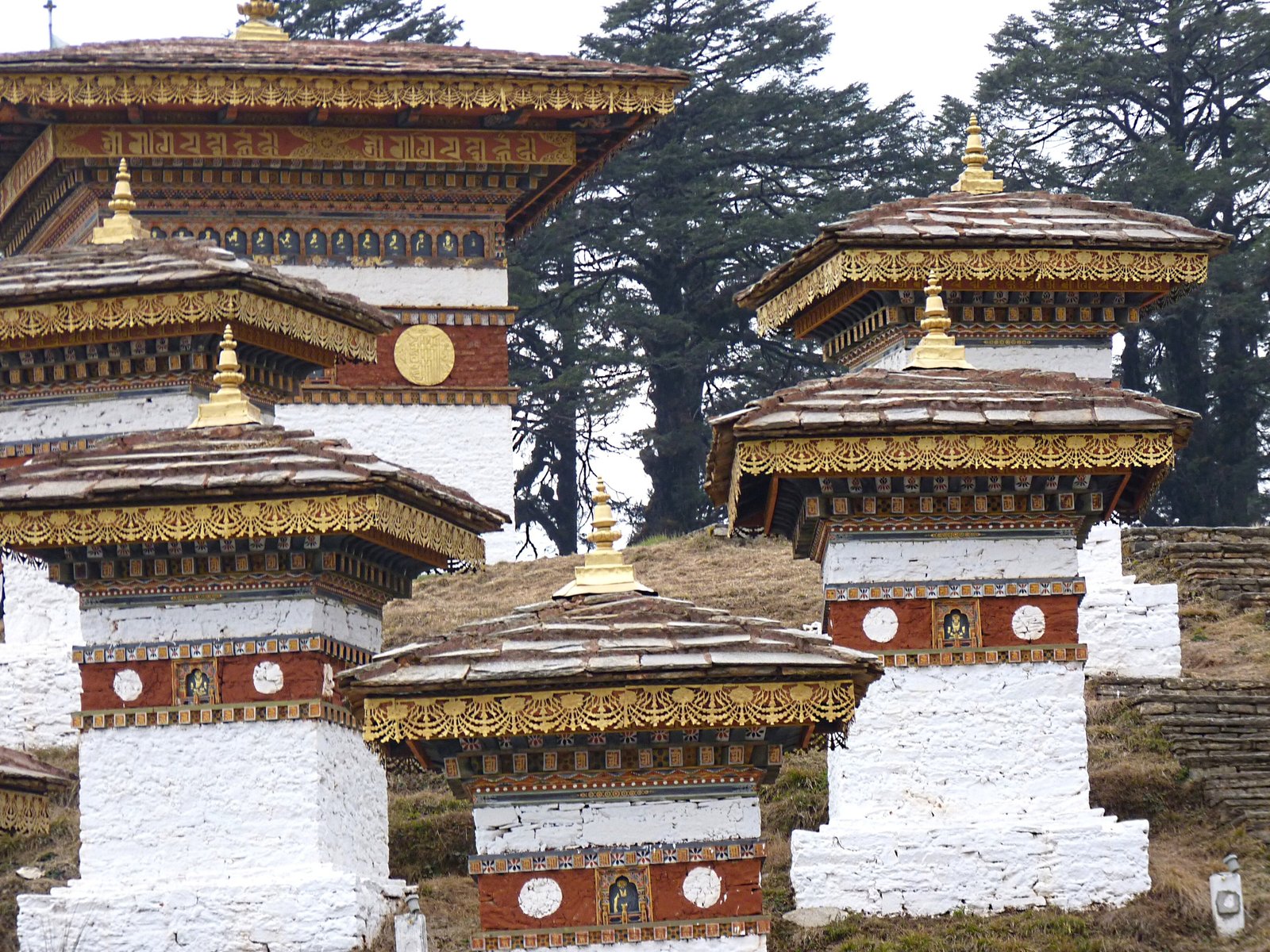
  • Dochula Pass on a clear morning, with the Himalaya laid out behind it
Best for
Walking, Slow travel, Couples, Photography
Suggested itinerary

One shape it could take

A starting point, not a fixed departure. Every element below can be lengthened, shortened or swapped.

Nights 1-2

Paro

Farmhouse lodge in the Paro valley
Arrive on the spectacular approach, settle in, and walk the valley to acclimatise.
Nights 3-4

Thimphu

Hotel in central Thimphu
The weekend market, the textile museum, and a working monastic school.
Nights 5-6

Punakha

Lodge above the Punakha river
Over Dochula Pass, the dzong, and an easy walk to Chimi Lhakhang.
Nights 7-8

Phobjikha (optional)

The glacial valley, the crane centre, and a night in a farmhouse.
Nights 9-10

Paro

Hotel near Paro for the early flight
The Tiger’s Nest on the final full day, then home.

Plan this trip

Every journey is quoted individually once we know your dates, party size and pace. The first conversation is free.

Region
Paro, Thimphu, Punakha & the Phobjikha valley
Duration
7-10 nights
Best time
March to May, and September to November
Pace
Balanced
The practical part

Before you ask us to quote

What a quote usually includes

  • Bhutan visa and the Sustainable Development Fee
  • All accommodation, guide, driver and vehicle as required by law
  • All meals, which is standard practice in Bhutan
  • Monument and museum entries
  • Flights into Paro if you would like us to book them

Good to know

The Tiger’s Nest walk takes four to five hours return with a steep final section; ponies can be arranged for the way up. Bhutan’s daily fee is set by the government and forms a large part of any quote – we itemise it separately so you can see exactly what it is.

Detail worth having before you go

Getting there

Paro is served by Drukair and Bhutan Airlines from Delhi, Kolkata, Bagdogra, Kathmandu and Bangkok. The landing is famously hand-flown – sit on the left from Delhi.

Nearest airport
Paro International (PBH)
Permits

Everyone needs a visa, and all visitors pay the Sustainable Development Fee – currently USD 100 per night for most nationalities and Rs 1,200 for Indian nationals. We handle the paperwork; it is part of the quote, not a surprise at the airport.

Best months
March to May for rhododendrons, and October to November for the clearest mountain views
Months to avoid
June to August, when cloud sits on the passes and Taktsang disappears
Typical budget
From about USD 250 per person per day sharing, including the SDF, guide, driver and all meals
Currency
Ngultrum, pegged to and interchangeable with the Indian rupee. Cards work in Thimphu and Paro only.
Language
Dzongkha, with excellent English – it is the language of instruction in schools
Health

Thimphu is at 2,300m and the passes go higher. Nothing dramatic, but the Tiger’s Nest climb is four to five hours return and takes most people by surprise.

What to pack

Long trousers and covered shoulders for the dzongs, warm layers for the evenings, and broken-in walking shoes.

The Sustainable Development Fee felt steep until we were there. Empty trails, no litter, no hawkers - you can see exactly where it goes.
Rohan & Divya
Bengaluru, travelled October 2025
Before you write in

Questions we are asked about this one

What is the Sustainable Development Fee?

A per-night charge every visitor pays – currently USD 100 for most nationalities and Rs 1,200 for Indian passport holders. It funds healthcare, education and conservation. We quote it inside the trip price so there is no unpleasant surprise at the airport.

How difficult is the climb to the Tiger's Nest?

Four to five hours return, climbing roughly 900m, on a good path with a cafeteria at the halfway point. It is the hardest thing most people do in Bhutan and it takes almost everyone by surprise. Horses can carry you up as far as the cafeteria but not beyond it.

Can we travel independently in Bhutan?

Not really. Tourism is managed – you travel with a licensed guide and driver throughout. In practice this is far less restrictive than it sounds, and it is why the country feels the way it does.
Keep looking

Other places we know well

Make it yours

Tell us how you would change it

Add a week, drop the walking, bring the children, or start somewhere else entirely. We redraw every itinerary from scratch.