India

Goa

Not the Goa of the package brochures. Portuguese churches, a river with spice farms up it, and the southern beaches where nothing much happens.
Typical duration
7-10 nights
Best time
November to March
Pace
Slow
Overview

Goa has two reputations and both are out of date. It is neither a full-moon party nor a resort strip – not in the south, and not if you stay away from the twenty kilometres everyone else books.

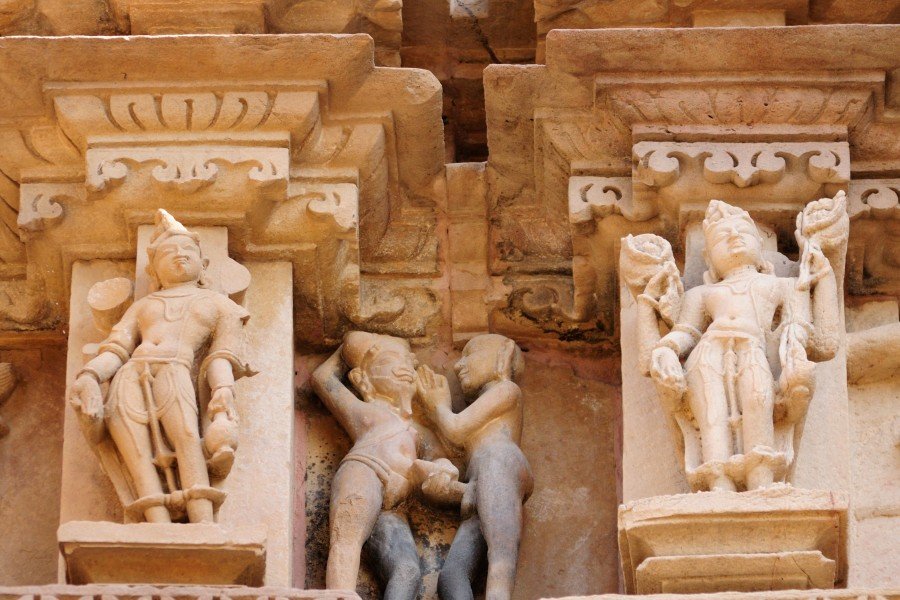
What is actually there: the largest concentration of Portuguese colonial architecture in Asia, a Catholic-Hindu culture that exists nowhere else in India, some of the best home cooking in the country, and beaches you can walk for an hour without meeting anyone.
Highlights

What makes this one worth doing

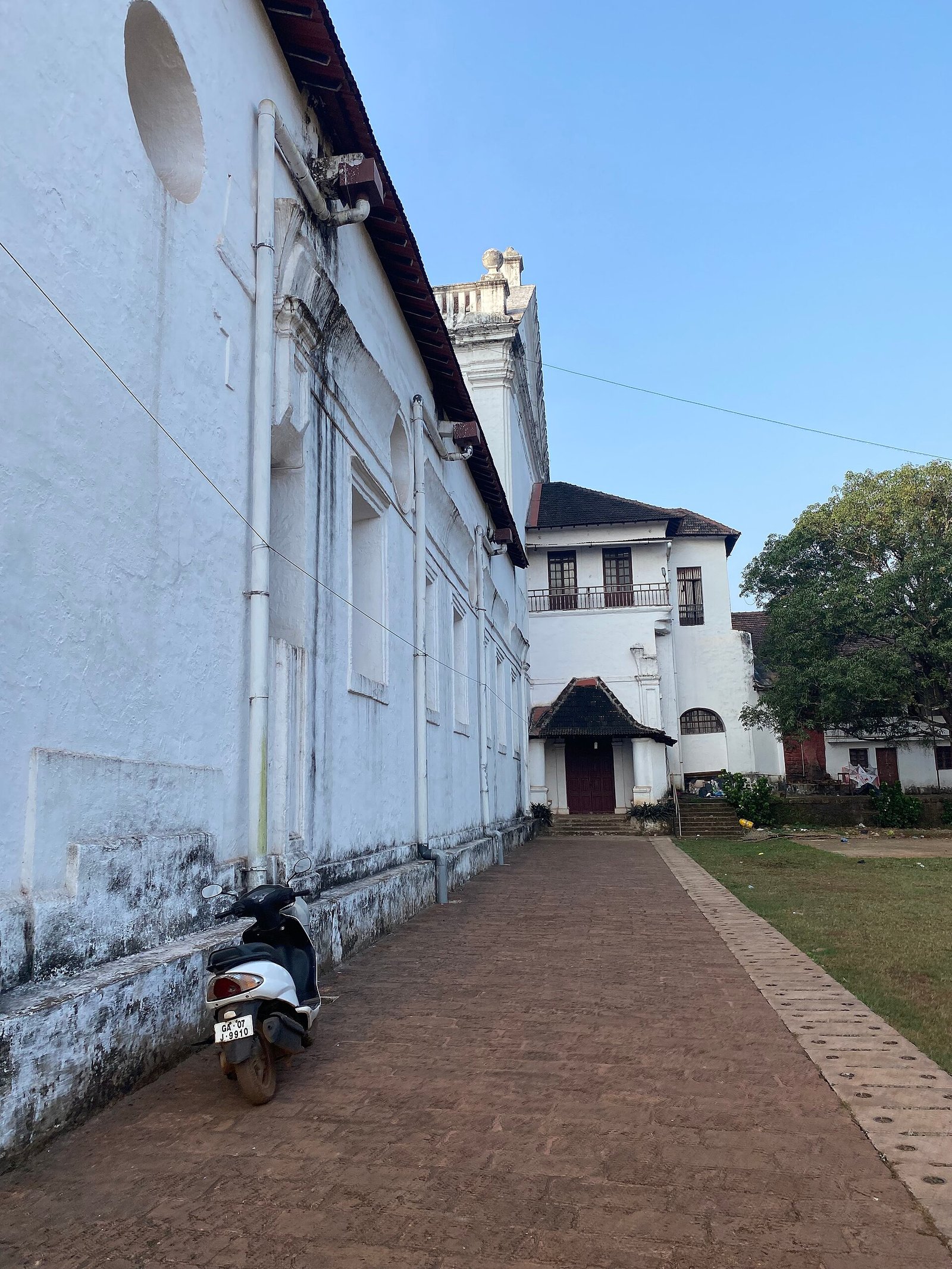
  • Old Goa’s churches on a weekday morning, when the coach parties are elsewhere
  • A Saraswat or Catholic home lunch, cooked by the family
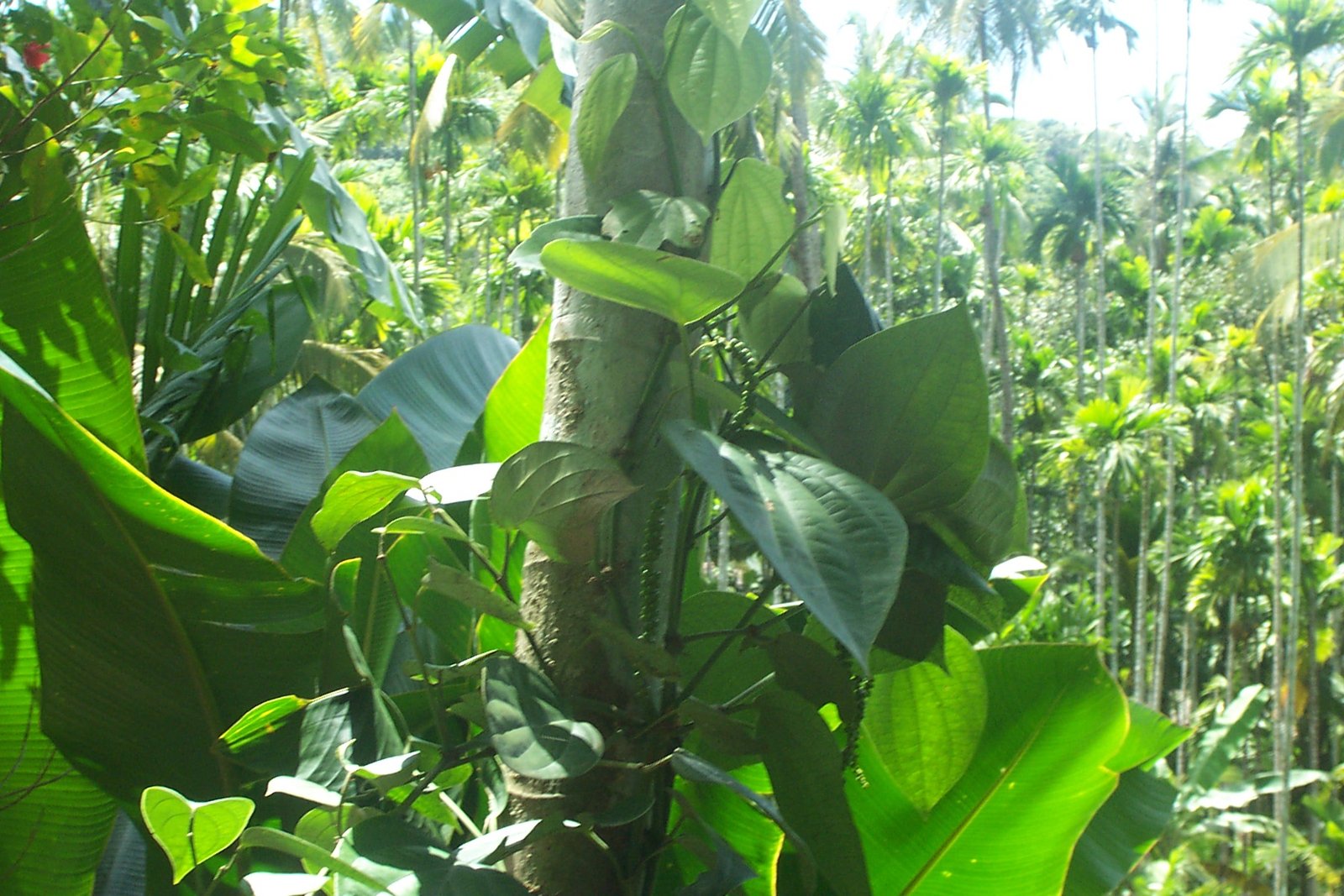
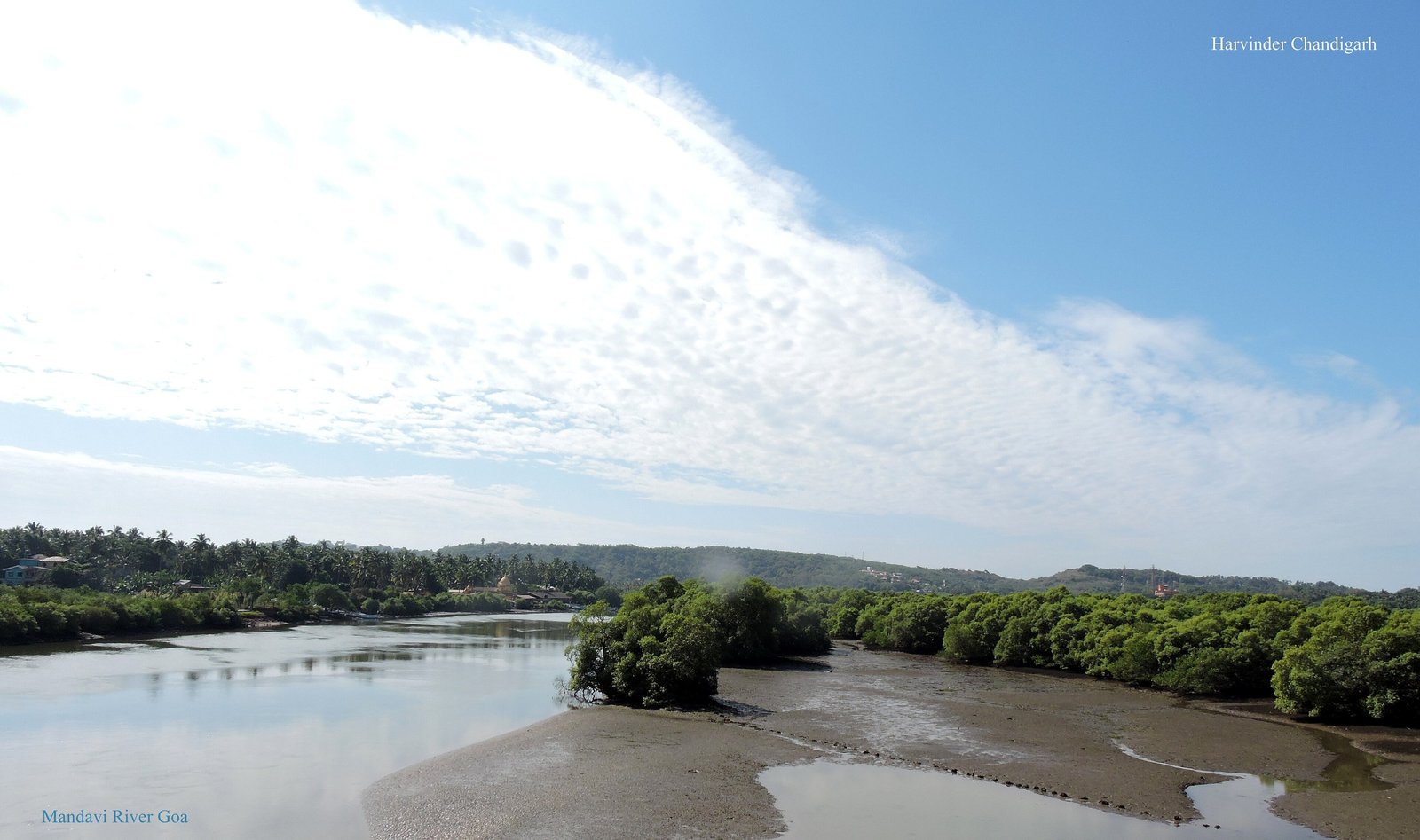
  • The Mandovi upriver to a working spice plantation
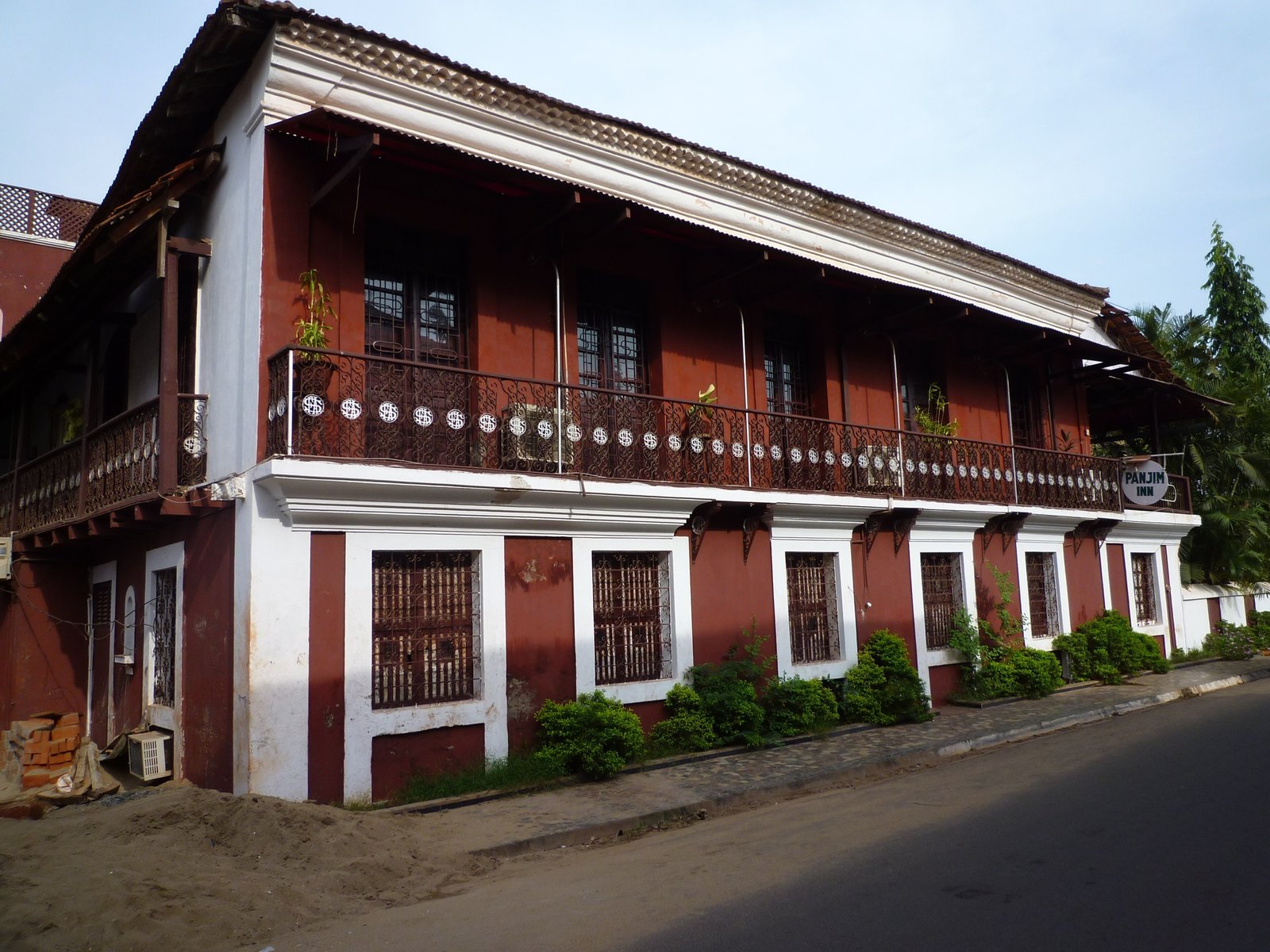
  • Fontainhas in Panjim – Latin Quarter houses repainted every monsoon
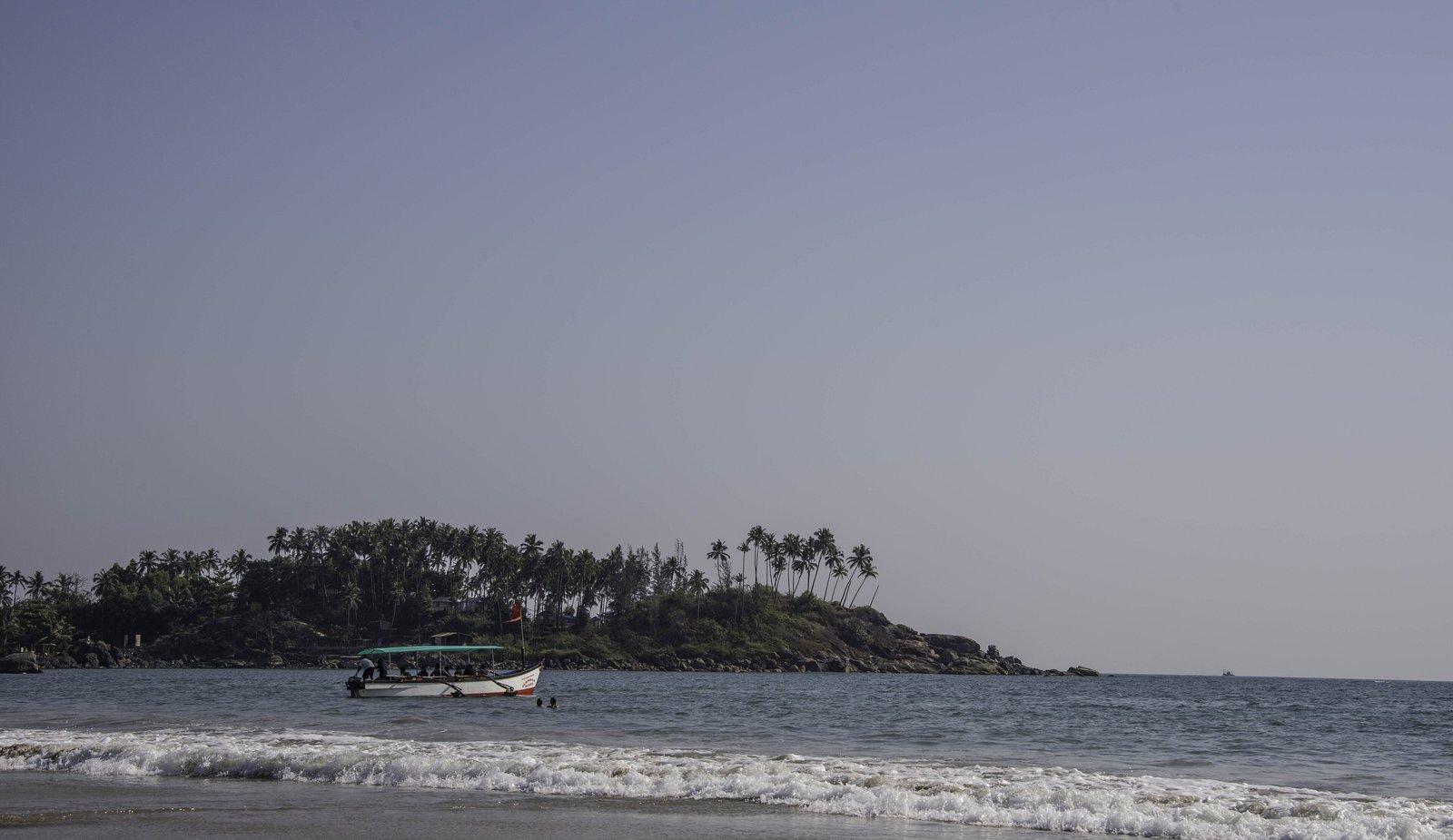
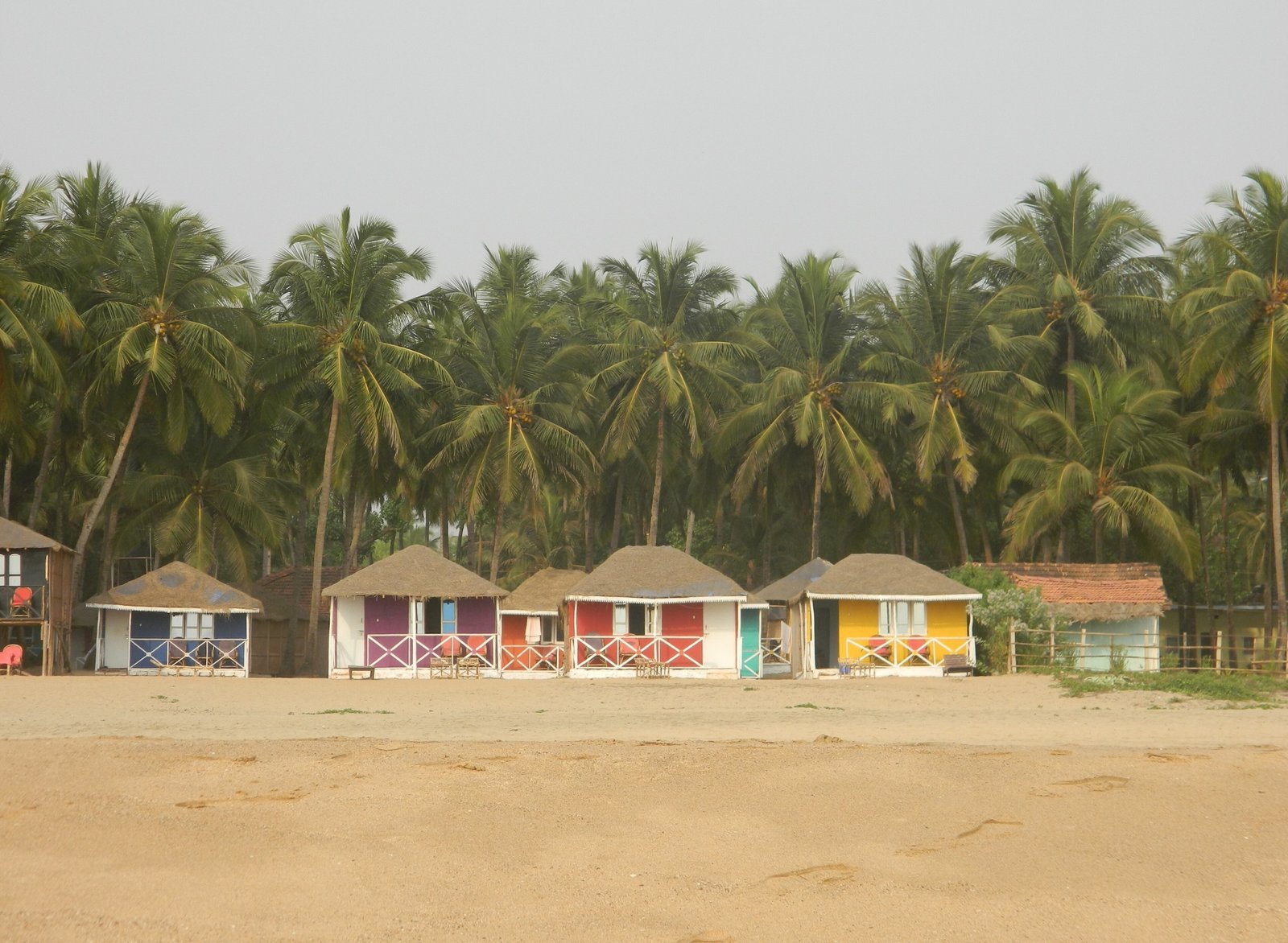
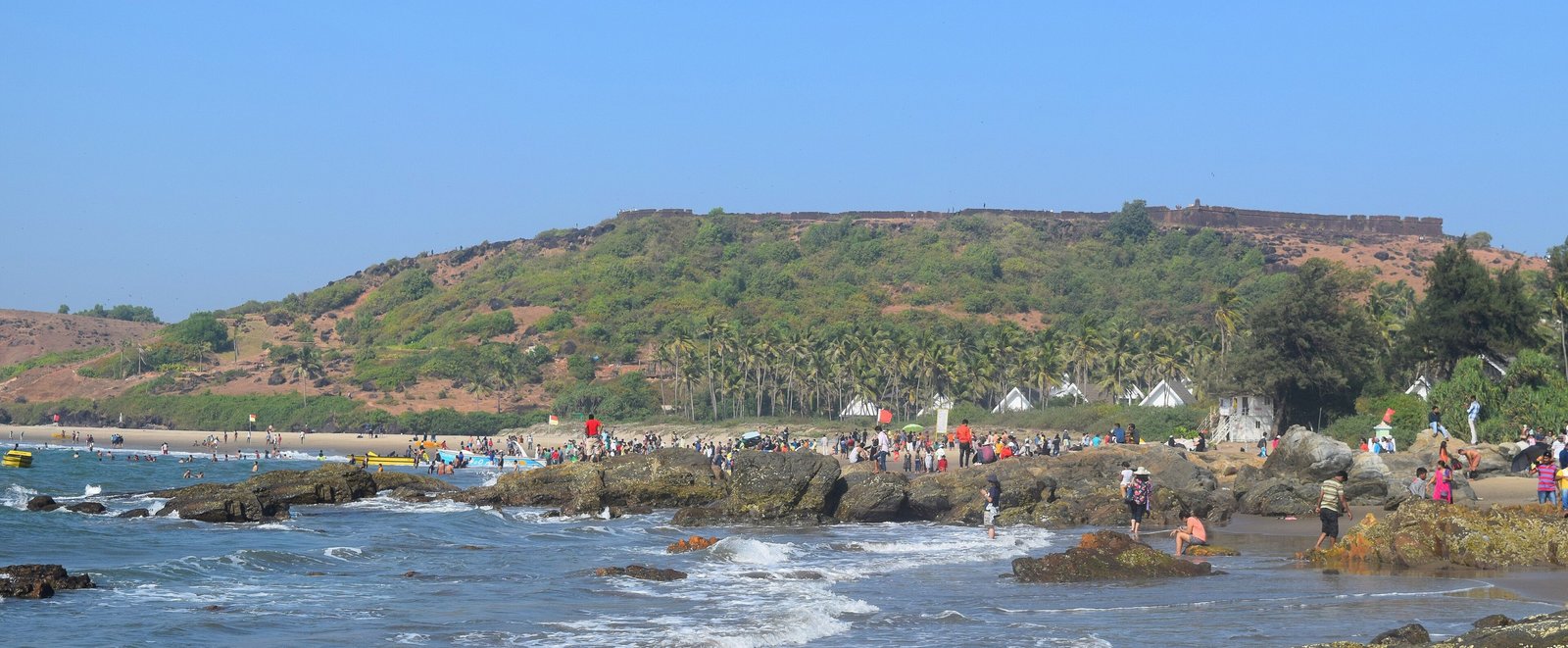
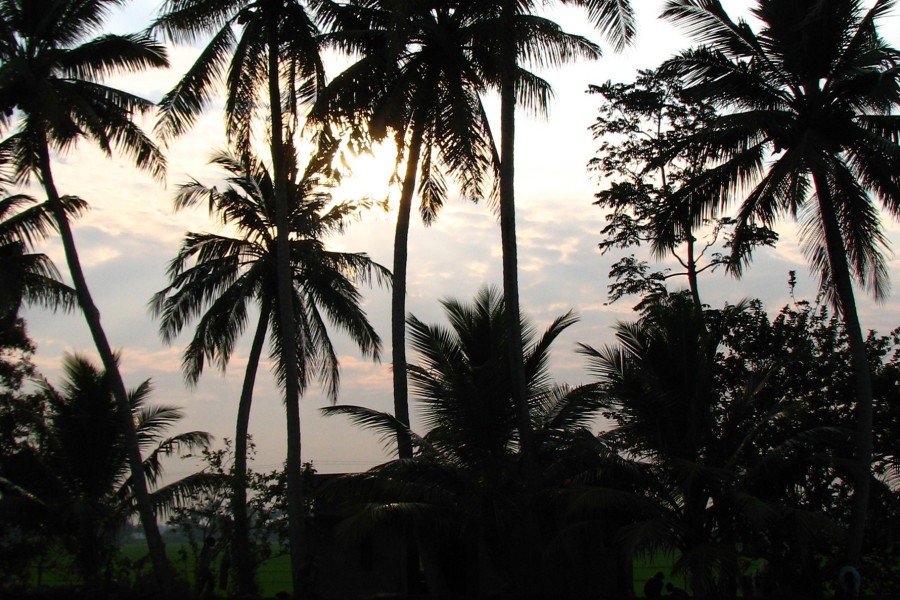
  • Palolem or Agonda for the last few nights, doing nothing at all
  • The Wednesday market at Anjuna if you want the noise, and not if you do not
Best for
Doing very little, Couples, Food, Short breaks
Suggested itinerary

One shape it could take

A starting point, not a fixed departure. Every element below can be lengthened, shortened or swapped.

Nights 1-2

Panjim

Guesthouse in the Latin Quarter

Fontainhas on foot, the riverfront, and Old Goa’s basilicas before the heat.

Nights 3-4

The Mandovi

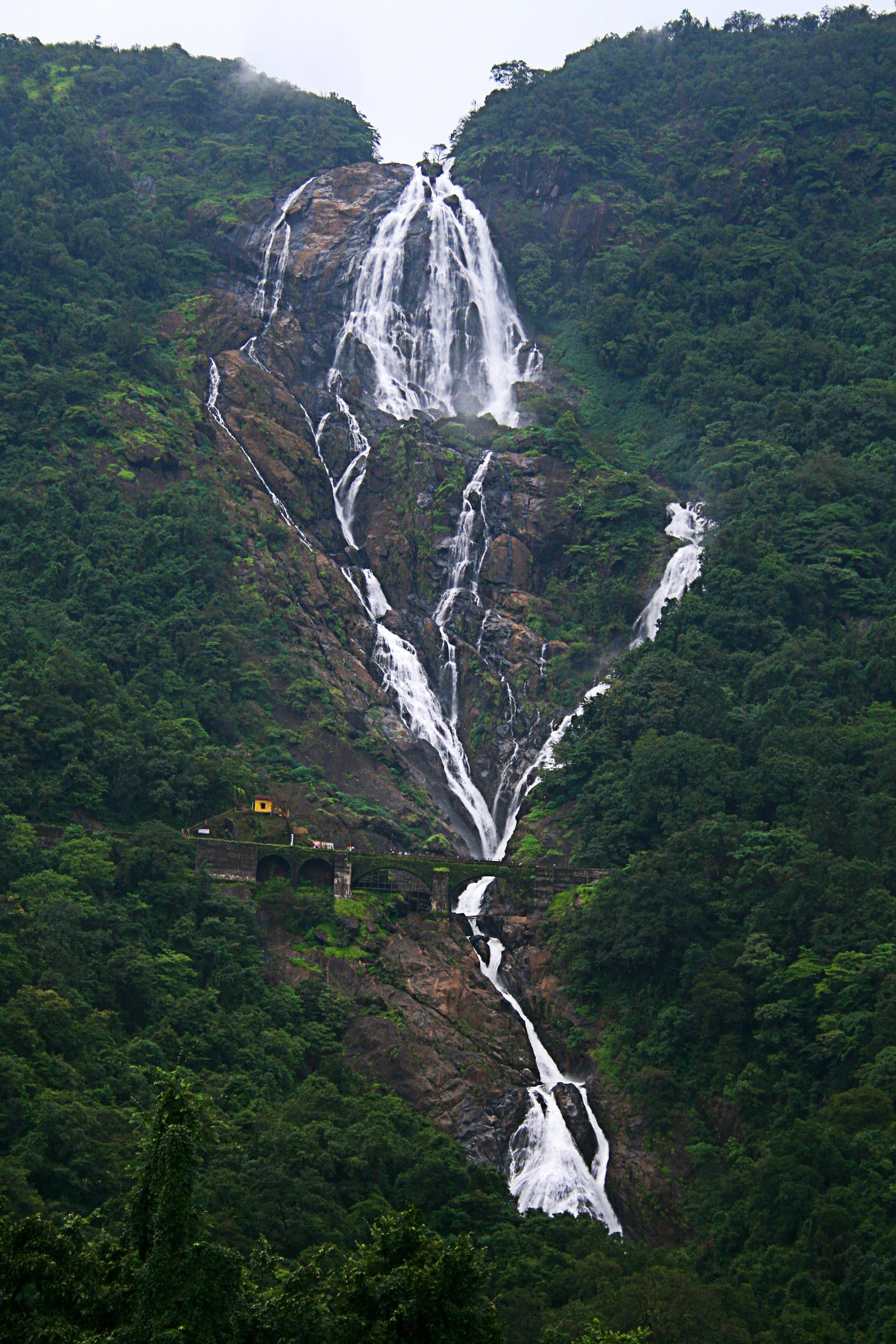
Upriver to the spice country, a plantation lunch, and the Dudhsagar falls if the season is right.

Nights 5-9

South Goa

Beach cottage in the south

Agonda or Palolem. A cooking morning, one boat trip, and otherwise nothing scheduled.

Plan this trip

Every journey is quoted individually once we know your dates, party size and pace. The first conversation is free.

Region
South Goa, the Mandovi and the old Portuguese quarter
Duration
7-10 nights
Best time
November to March
Pace
Slow
The practical part

Before you ask us to quote

What a quote usually includes

  • All accommodation – a Fontainhas guesthouse and a beach-front cottage
  • Car and driver for the transfers and the Old Goa day
  • A guided walk of Panjim and Old Goa
  • The spice plantation visit and lunch
  • Breakfast daily

Good to know

Goa is at its best either side of the peak – November, or late February into March. Christmas and New Year are expensive and full. The south is quiet; the north is not, and we will say so if you ask for Baga.

Detail worth having before you go

Getting there

Direct flights from most Indian cities, and the Konkan railway from Mumbai is one of the great train journeys if you have the day.

Nearest airport
Dabolim (GOI), or the newer Mopa (GOX) for the north
Best months
November to March. Late February is our pick.
Months to avoid
June to September – the monsoon here is torrential and most beach places close
Typical budget
From about Rs 9,000 per person per day sharing, considerably more over Christmas and New Year
Currency
Indian rupee. Cards are widely accepted; beach shacks are cash.
Language
Konkani and Marathi, with English very widely spoken
Health

Standard beach sense. The undertow on some south Goa beaches is stronger than it looks; swim where the flags are.

What to pack

Something to cover up in for the churches, and reef shoes if you plan to swim off the rockier southern coves.

We had written Goa off entirely. Being put in the south, in a village, with a home lunch booked, completely changed our mind about the place.
Ritu & Sandeep
Delhi, travelled December 2025
Before you write in

Questions we are asked about this one

North or south Goa?

South, unless you specifically want nightlife. The north around Baga and Calangute is developed and loud; Agonda, Palolem, Patnem and Cola are quiet, and the beaches are better. We will book north if you ask, but we will say this first.

Is it worth coming outside the season?

Late September and early October are underrated – everything has just reopened, the state is green from the rains, and prices are half. The sea can still be rough for swimming.

What about the party reputation?

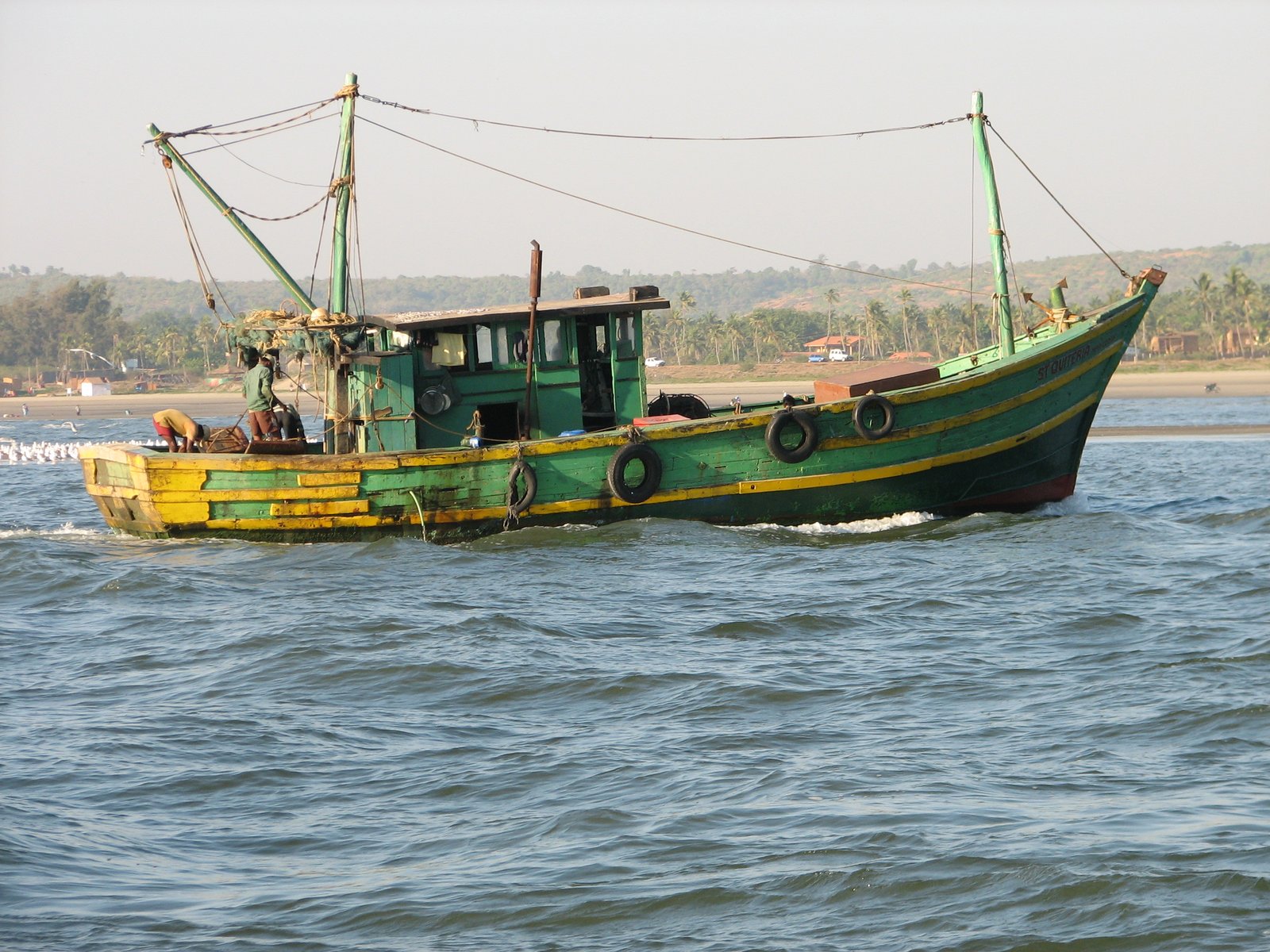
Largely historical, and confined to a few square kilometres. Most of Goa is villages, churches, paddy fields and fishing. You have to go looking for the other thing.
Keep looking

Other places we know well

Make it yours

Tell us how you would change it

Add a week, drop the walking, bring the children, or start somewhere else entirely. We redraw every itinerary from scratch.